
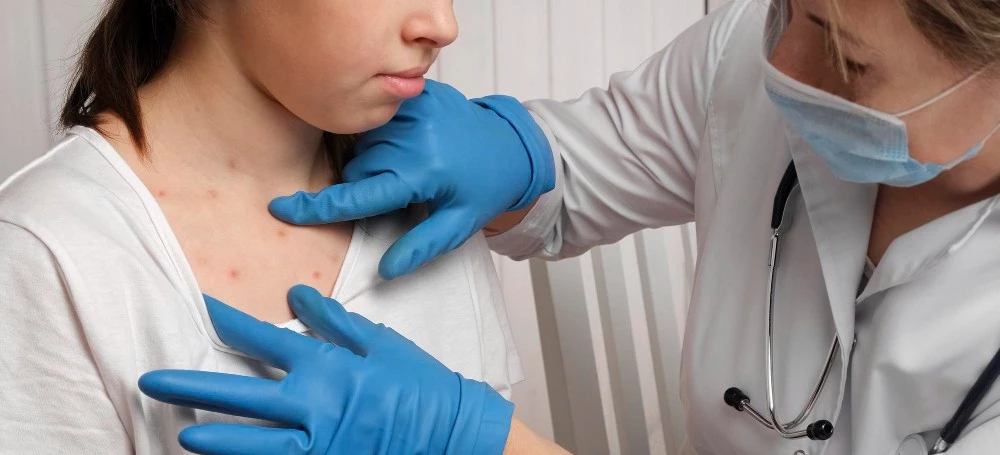
Occupational Health Services for Dermatitis in Wiltshire
Enquire NowAt Occupational Health Services, we provide specialist health surveillance and medical assessments in Wiltshire SN11 0 for employees at risk of work-related skin conditions such as dermatitis.
Dermatitis is one of the most common occupational health issues in the UK, often caused by frequent contact with irritants such as chemicals, oils, detergents, solvents, and even prolonged use of gloves.
Under the Control of Substances Hazardous to Health (COSHH) Regulations 2002, employers have a legal duty to assess and manage risks to skin health.
Our services help identify early signs of dermatitis, protect employees, and keep organisations compliant with UK law.
Request a free quote for expert occupational health services for dermatitis in Wiltshire today.
Why Do Employees Need Occupational Health Services for Dermatitis?
Work-related dermatitis can cause redness, itching, cracking, and blistering of the skin.
If not identified and treated early, it can become a chronic condition that severely affects quality of life and work performance.
Occupational health services in Wiltshire provide early detection, advice on protective measures, and medical support to prevent conditions from worsening.
This ensures staff remain healthy and employers reduce the risk of absence, compensation claims, and enforcement action.
What Does Dermatitis Health Surveillance Involve?
Health surveillance for dermatitis in Wiltshire includes a combination of symptom questionnaires, clinical skin checks, and discussions with employees about their work practices.
The occupational health professional will examine areas commonly affected, such as hands and forearms, to identify early signs of irritation.
If problems are detected, advice is provided on protective equipment, skincare routines, and safe working practices.
In more serious cases, referral to a GP or dermatologist may be recommended.
Who Needs Dermatitis Health Surveillance?
Surveillance is required for employees who regularly come into contact with substances that can cause skin damage.
This includes industries such as healthcare, cleaning, catering, hairdressing, construction, engineering, and printing.
Employers must conduct risk assessments in Wiltshire to identify roles where exposure is likely and arrange regular skin checks for these employees.
Failure to do so may put workers at risk and result in legal consequences for the business.
How Often Should Dermatitis Skin Checks Be Carried Out?
The frequency of checks depends on the level of risk within the workplace.
In high-risk industries, skin checks should be carried out every few months, while lower-risk environments may only need annual checks.
Baseline assessments in Wiltshire are essential before employees begin work with known skin irritants.
Regular monitoring ensures any new or worsening conditions are addressed quickly.
What Are the Benefits of Occupational Health Services for Dermatitis?
Occupational health services in Wiltshire SN11 0 offer important advantages for both staff and employers.
The key benefits include:
Detect early signs of dermatitis before conditions become severe.
Provide professional advice on protective measures and skincare.
Ensure compliance with COSHH and health and safety law.
Reduce sickness absence and improve productivity.
Demonstrate employer duty of care and commitment to staff wellbeing.
How Much Do Dermatitis Skin Checks Cost?
Occupational health skin checks in Wiltshire cost from £45 to £120 per employee per year.
The cost depends on the number of employees and whether assessments are provided onsite or in a clinic.
For larger companies, service contracts usually offer the most cost-effective solution.
This investment reduces the long-term costs of sickness absence, claims, and staff turnover.
Are Dermatitis Assessments Confidential?
All health checks in Wiltshire are carried out under strict confidentiality.
Employers do not receive detailed medical information.
They are only informed whether an employee is fit for work, fit with restrictions, or requires adjustments.
This ensures privacy for employees while giving employers the information they need to manage workplace risks responsibly.
What Symptoms Should Employees Look Out for Between Skin Checks?
Employees should be encouraged to monitor their skin regularly and report any changes.
Common early signs of dermatitis include redness, itching, dryness, cracking, flaking, or blistering of the skin.
Some workers may also notice swelling or pain, especially on their hands and forearms where contact with irritants is most excellent.
By reporting these symptoms early, occupational health professionals can intervene quickly and prevent the condition from becoming long-term.
What Are Employers’ Legal Responsibilities for Dermatitis?
Employers have a legal duty under the Control of Substances Hazardous to Health (COSHH) Regulations 2002 to protect staff from skin hazards.
This means carrying out risk assessments, substituting hazardous substances where possible, and providing appropriate protective equipment.
Where risks remain, employers must arrange regular health surveillance in Wiltshire to monitor employees’ skin health.
Failure to comply may lead to enforcement action, legal claims, and damage to the business’s reputation.
Can Dermatitis Be Prevented in the Workplace?
In many cases, work-related dermatitis can be prevented with the right controls in place.
Employers should provide suitable gloves and protective clothing, ensure good hand-washing facilities are available, and supply skin-friendly soaps and moisturisers.
Training staff on safe handling of irritants and the correct use of PPE is also essential.
When combined with regular skin checks, these measures significantly reduce the risk of occupational dermatitis in Wiltshire.
How Long Should Health Records Be Kept for Dermatitis Surveillance?
Employers must keep health records for all employees undergoing skin surveillance in Wiltshire.
These records include the dates of assessments, outcomes, and any restrictions or adjustments recommended.
They should be retained for at least 40 years, since skin conditions may take time to become chronic or lead to long-term claims.
Proper record-keeping ensures compliance and provides valuable evidence in the event of future inspections or legal cases.
Can Employees Refuse Dermatitis Health Surveillance?
Participation in health checks in Wiltshire requires employee consent.
However, in industries where dermatitis risks are significant, surveillance is strongly encouraged and may be mandatory under COSHH.
If an employee refuses, they may not be permitted to continue in roles with skin hazard exposure.
Employers should explain that checks are confidential, impartial, and designed to protect workers’ health, which usually reassures staff.
Request a Free Consultation
At Occupational Health Services in Wiltshire SN11 0, we provide expert health surveillance programmes to prevent and manage occupational dermatitis.
Our tailored services protect employee health, reduce business risks, and ensure compliance with UK safety regulations.
Contact Occupational Health Services in Wiltshire today for a free consultation and arrange professional dermatitis health checks for your workforce.
We cover Wiltshire